
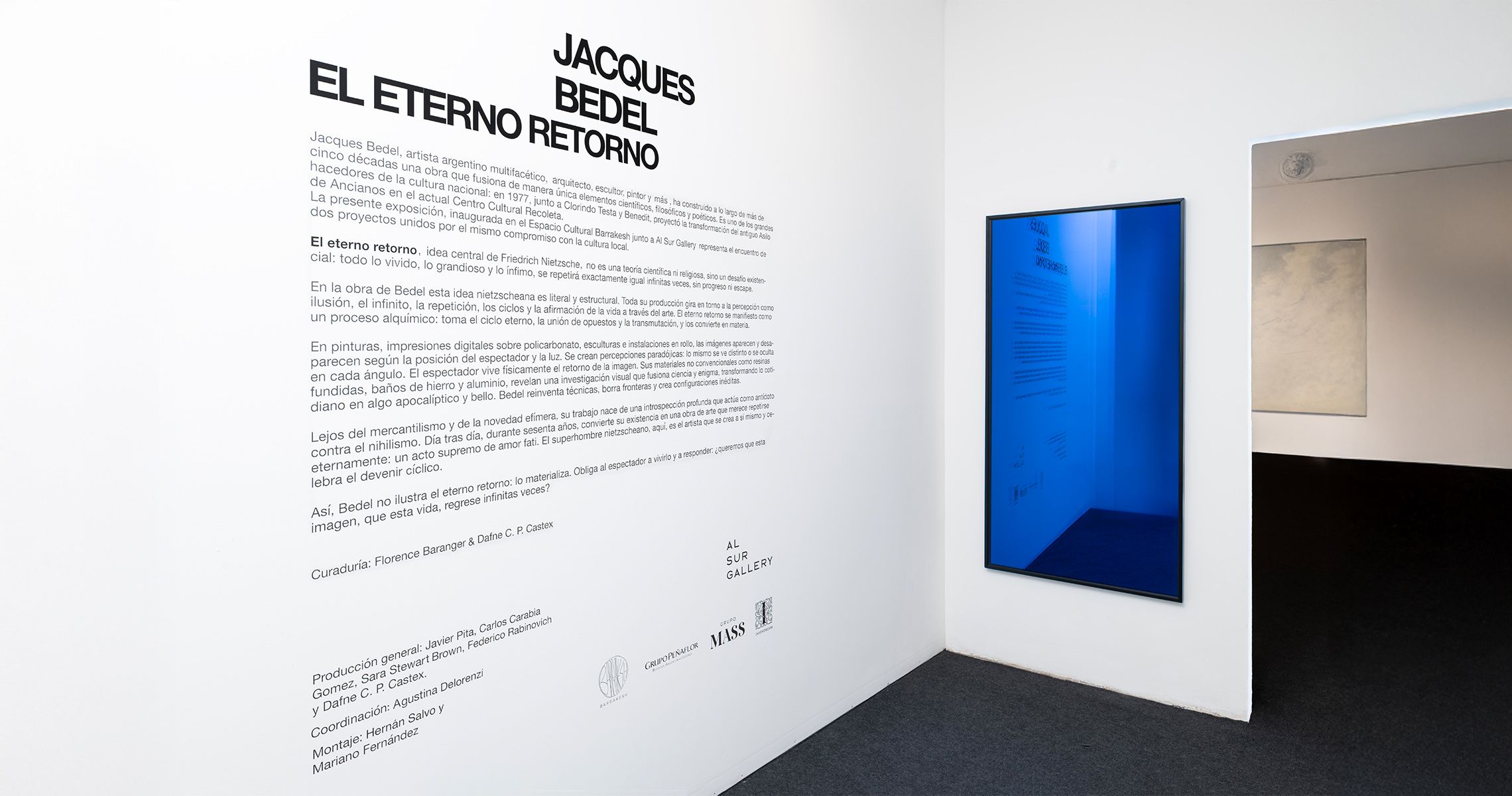
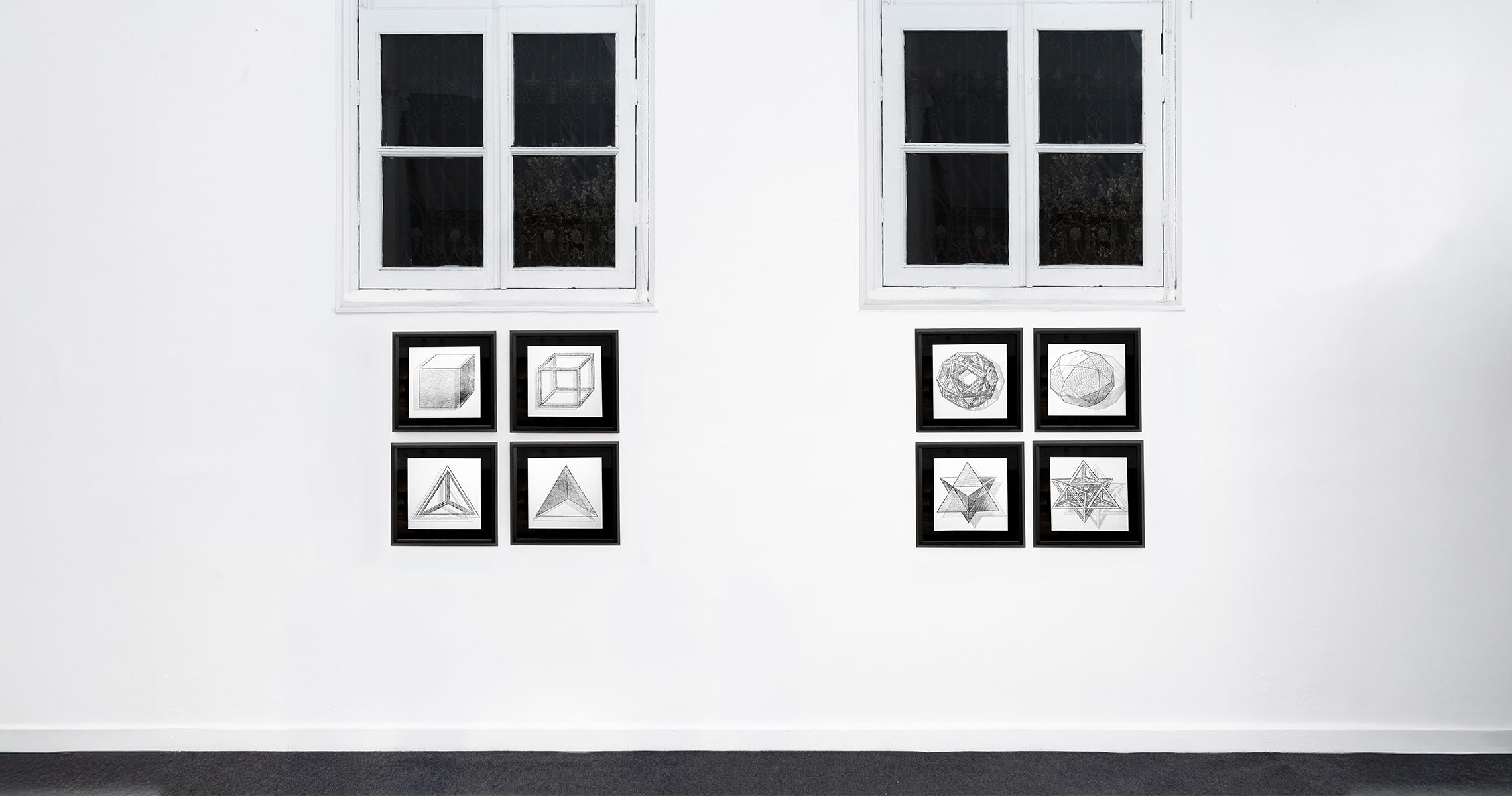
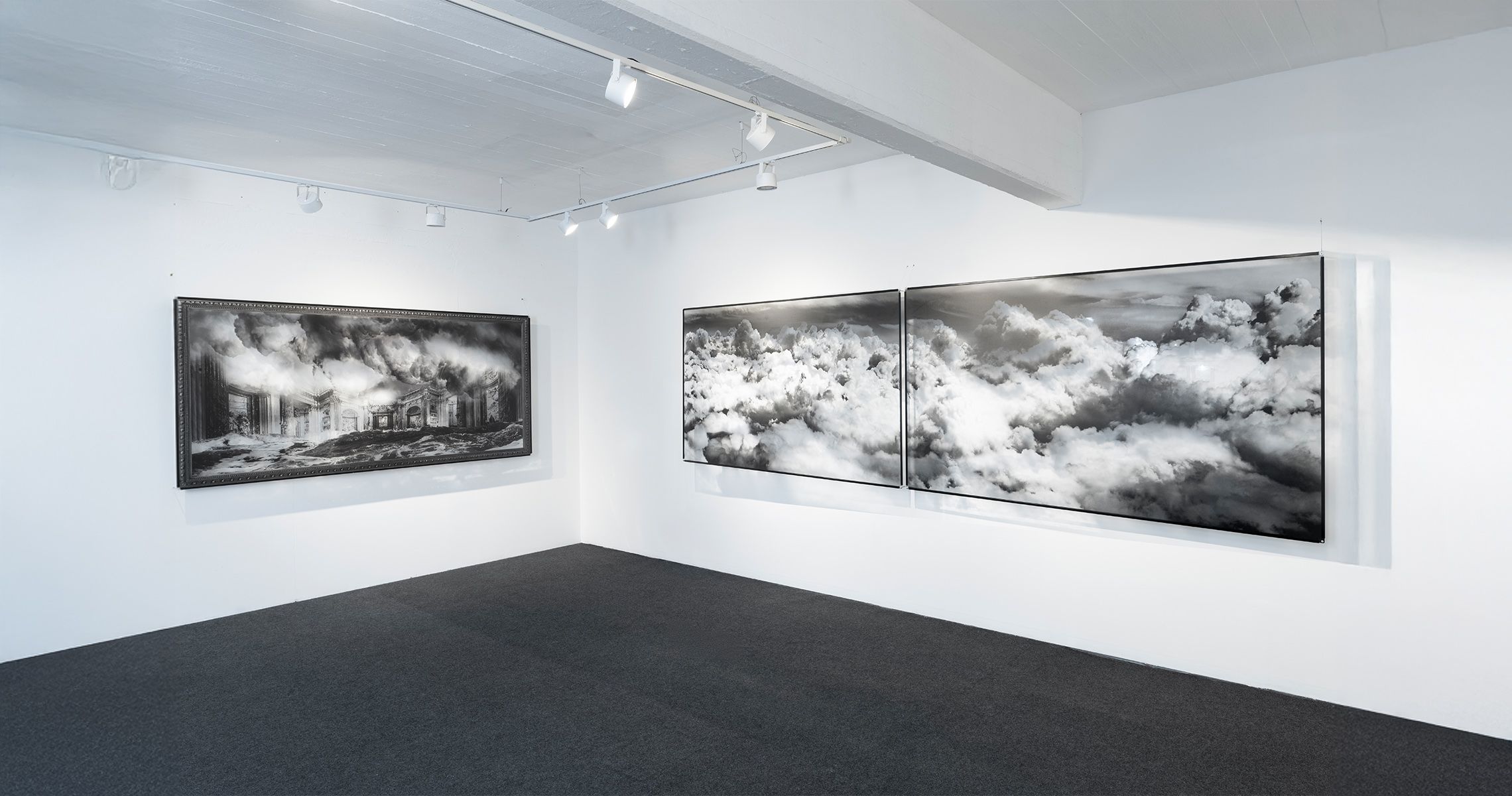
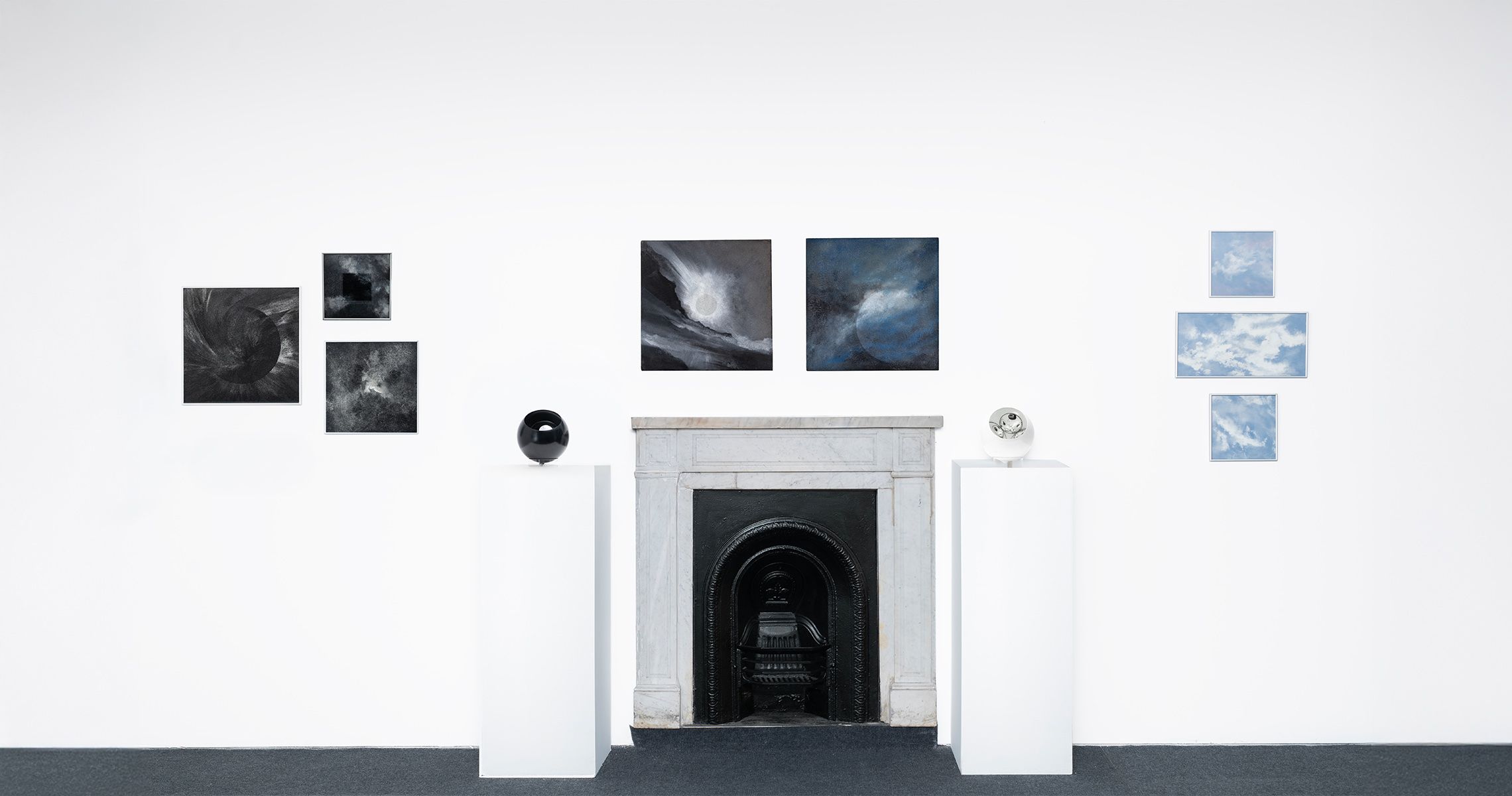
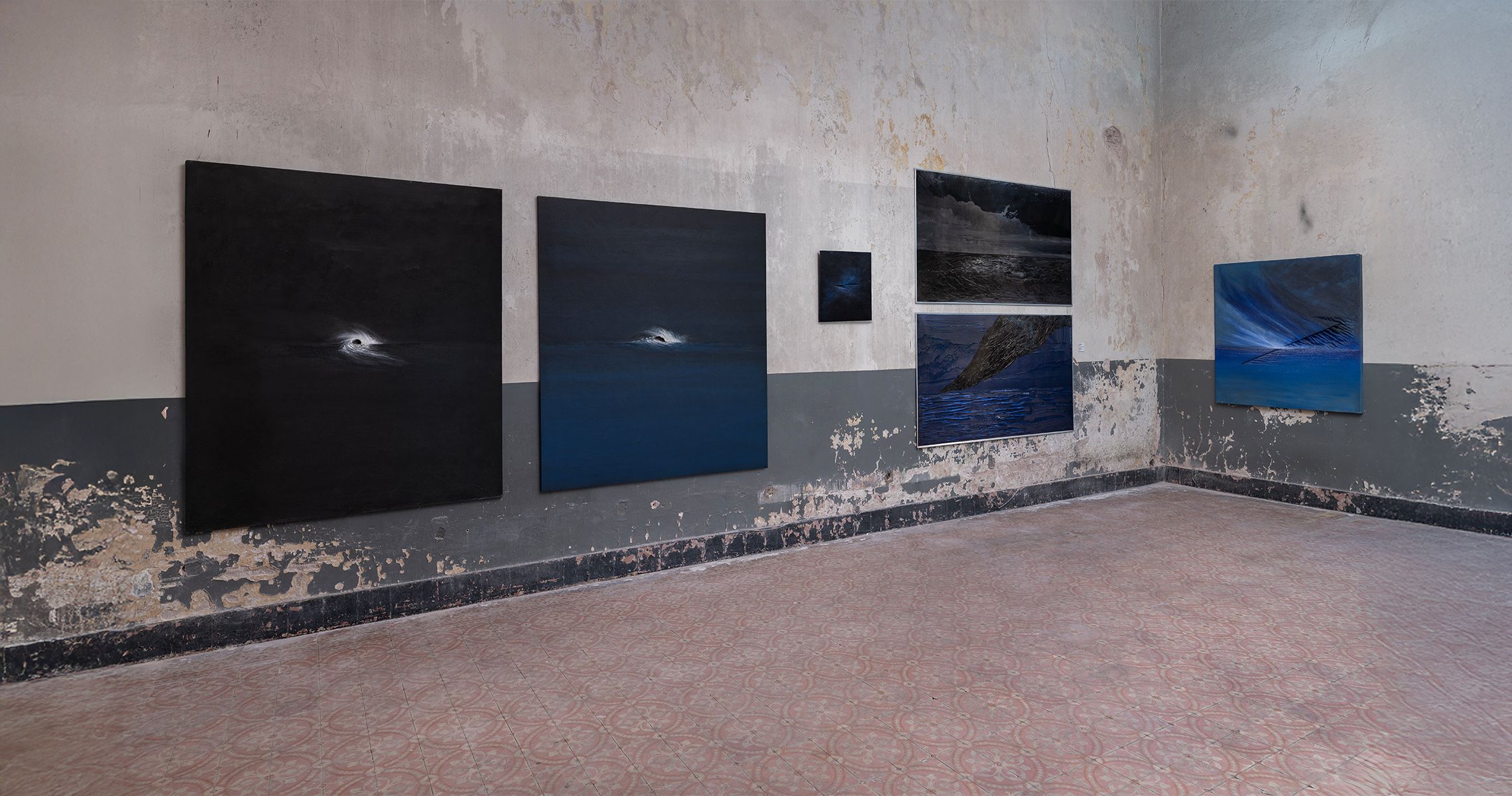
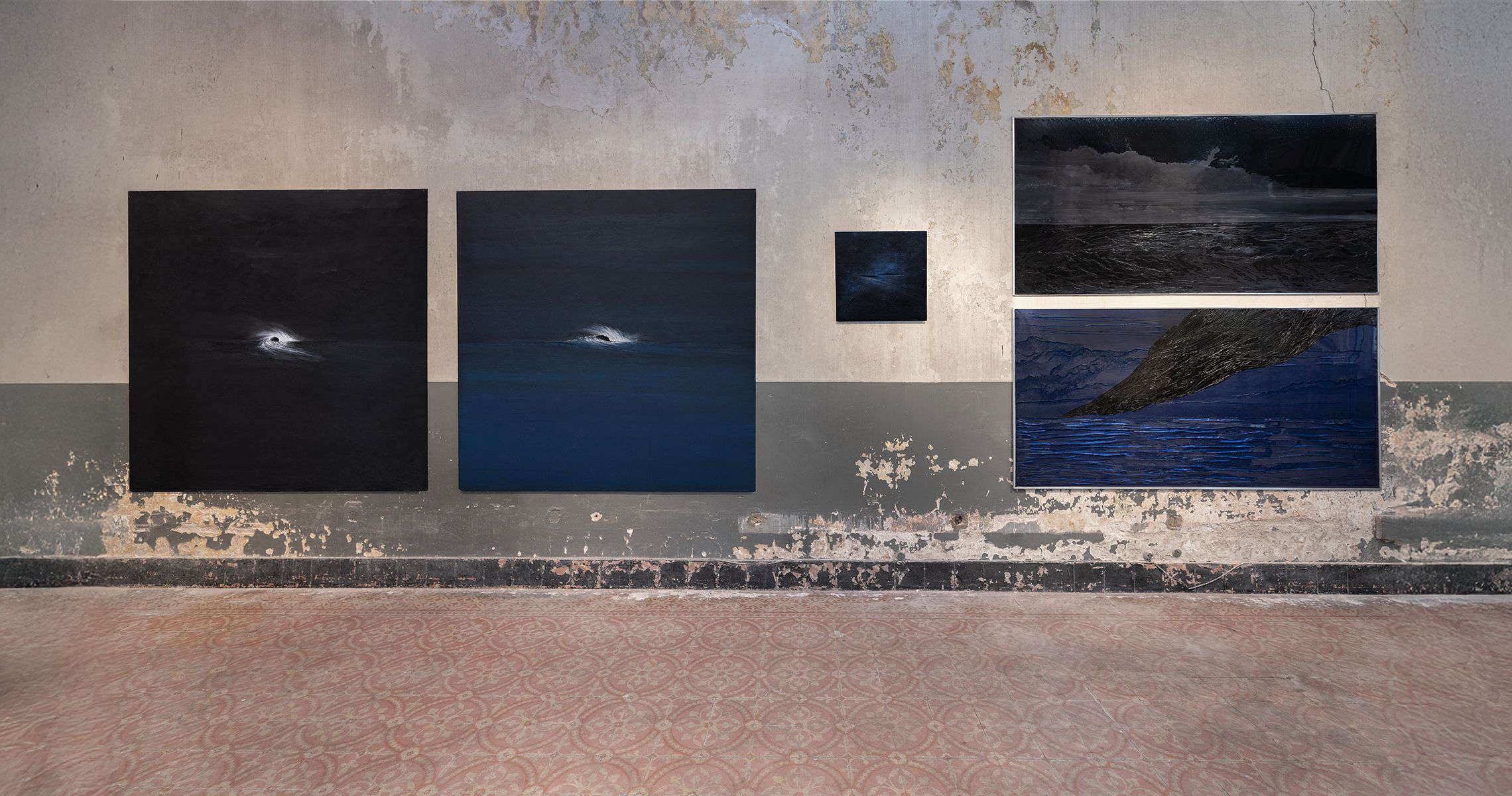
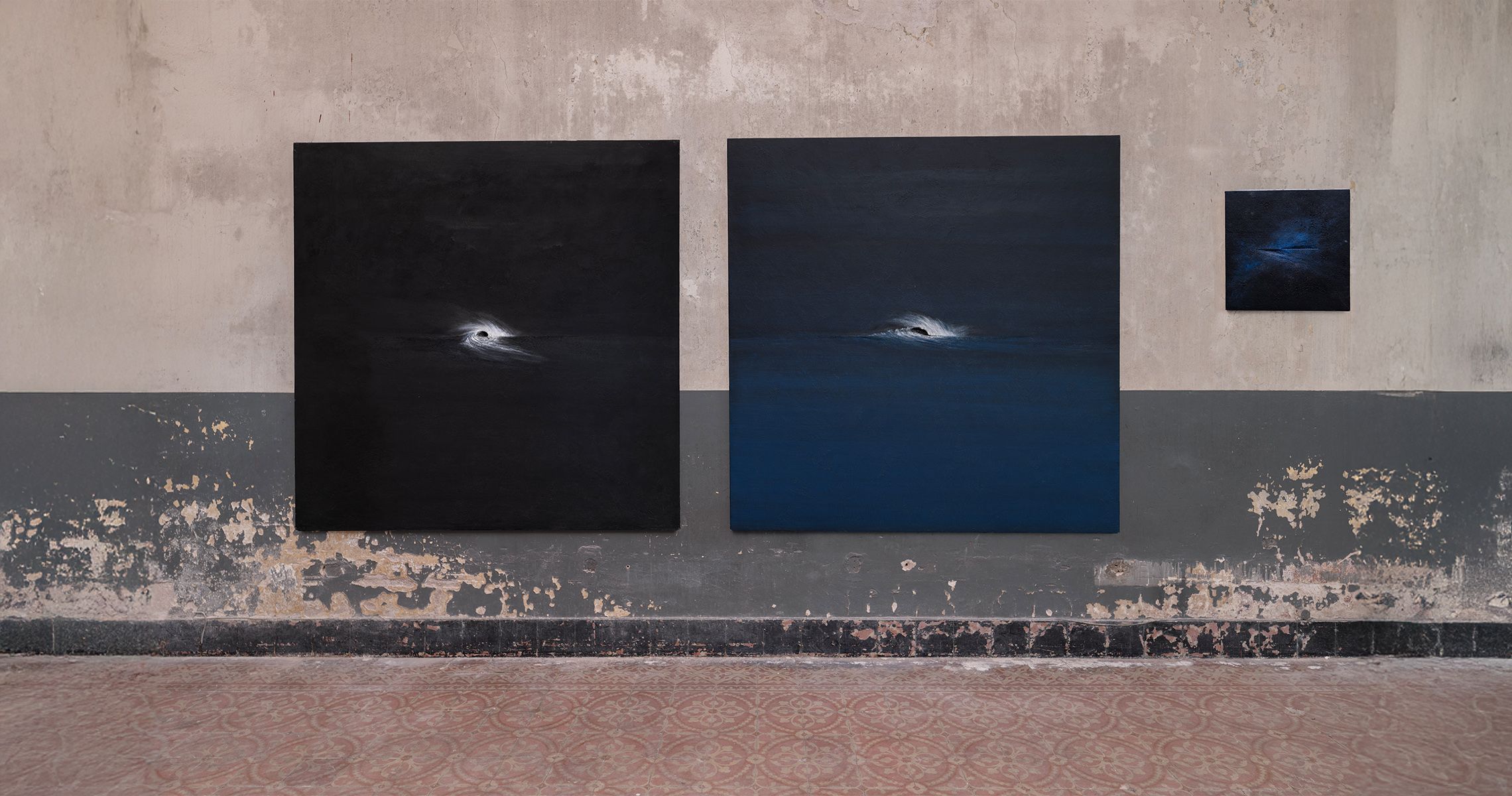
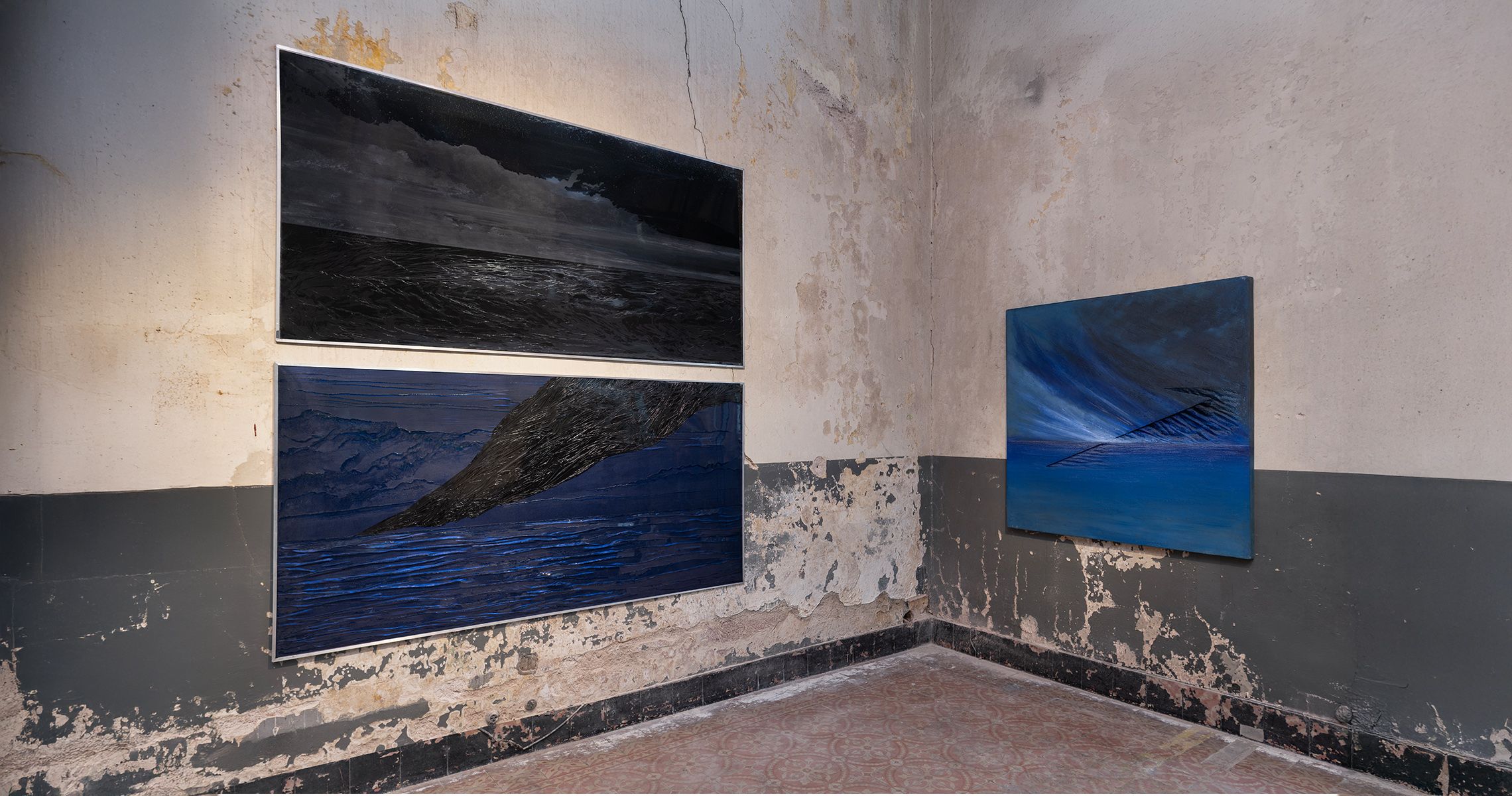
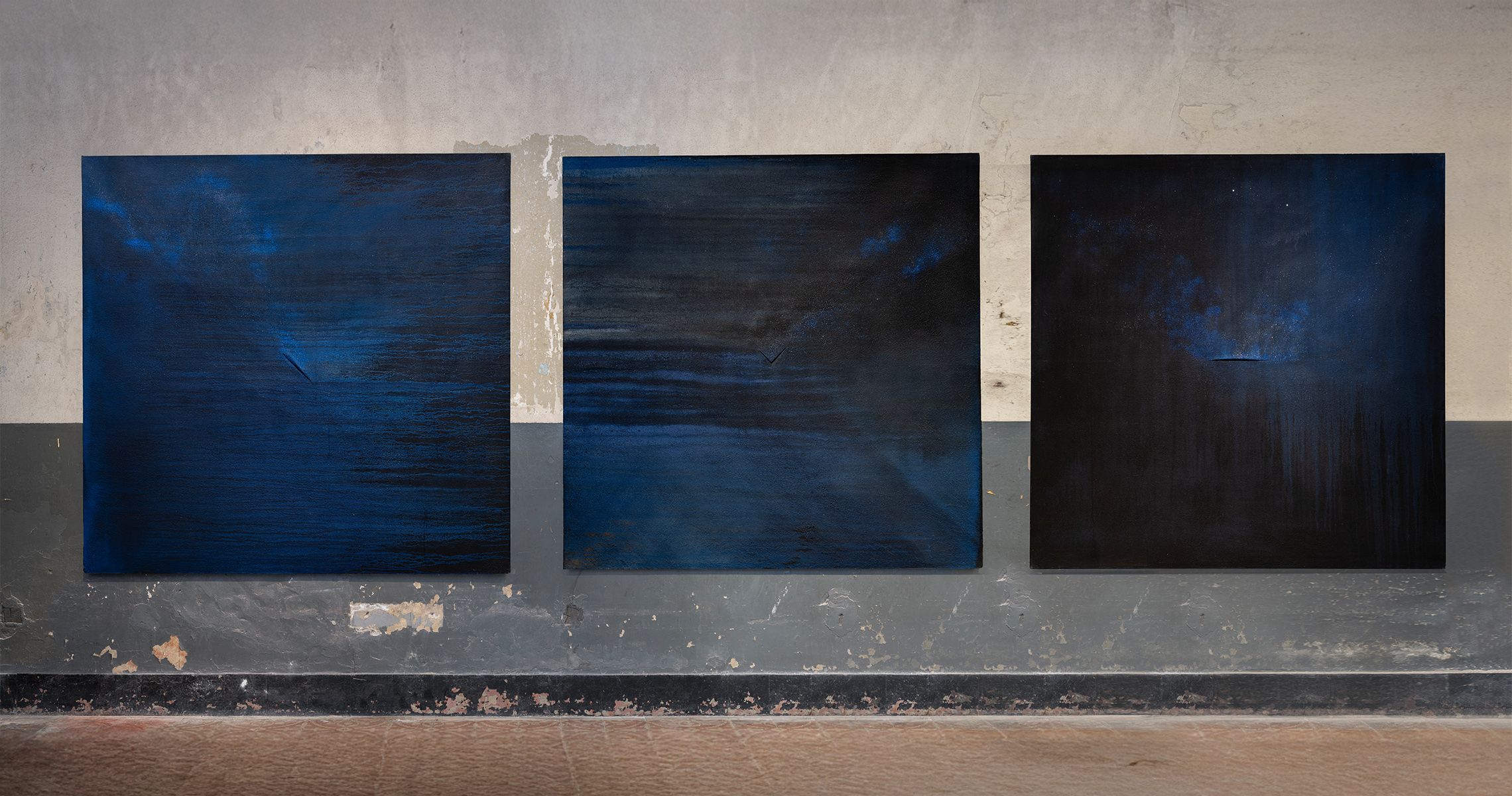
Jacques Bedel, a multifaceted Argentine artist—architect, sculptor, painter, and more—has built, over the course of his career, a body of work that uniquely fuses scientific, philosophical, and poetic elements. He is also one of the major shapers of national culture: in 1977, together with Clorindo Testa and Benedit, he was responsible for the project that transformed the former nursing home into what is now the Centro Cultural Recoleta.
The opening of this exhibition at Espacio Cultural Barrakesh, together with Al Sur Gallery, represents much more than an event for us. It is the meeting of two projects that share the same values and the same commitment to local culture.
The eternal return (or eternal recurrence of the same) is one of the central ideas in the philosophy of Friedrich Nietzsche. It is not a scientific theory nor a religious belief, but a profound existential challenge. A demon—or life itself—whispers this unsettling truth: everything we have lived, the great and the insignificant, will be repeated exactly the same, infinitely, for all eternity. There is no linear progress, no heaven, and no possible escape.
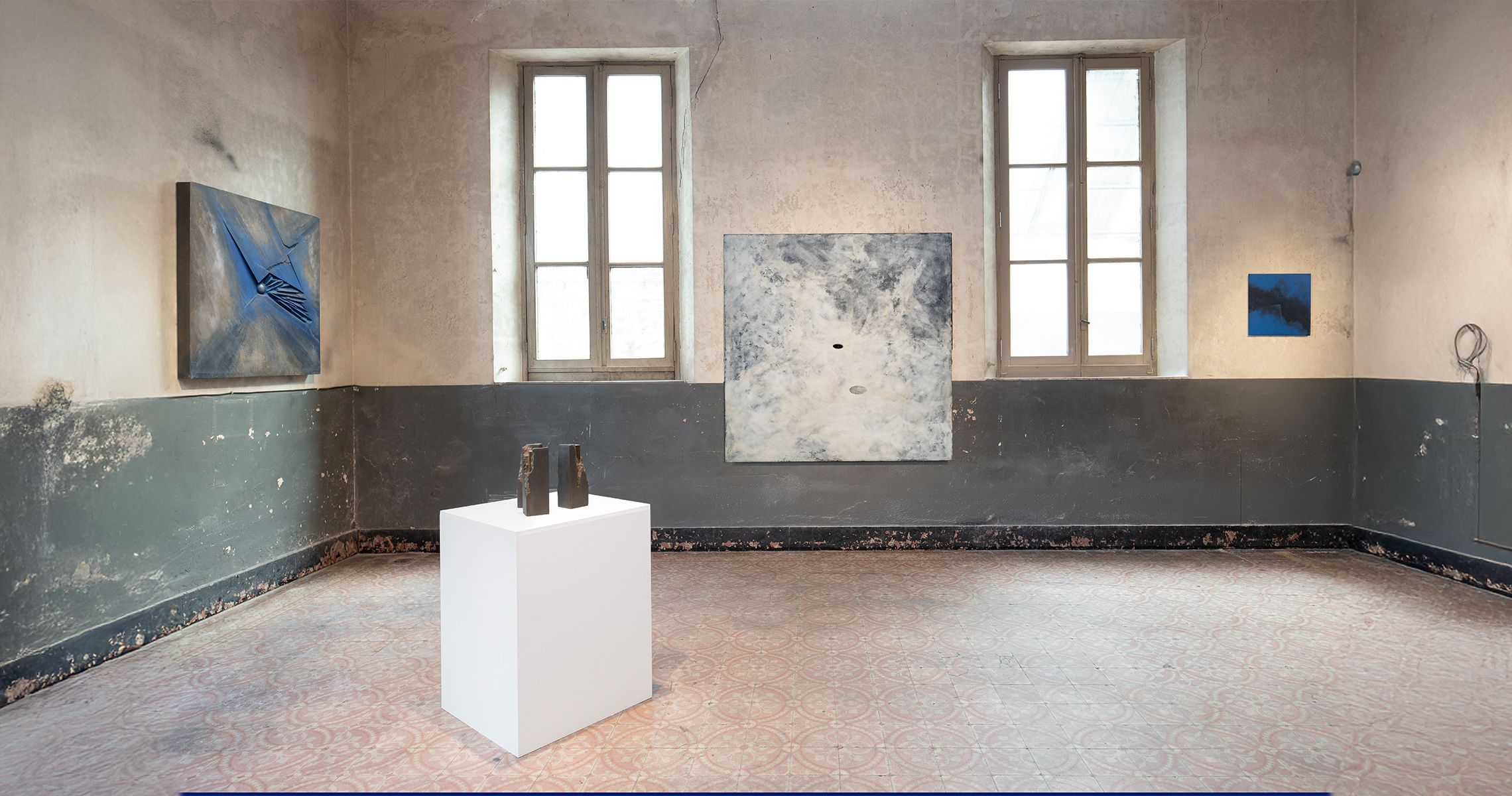
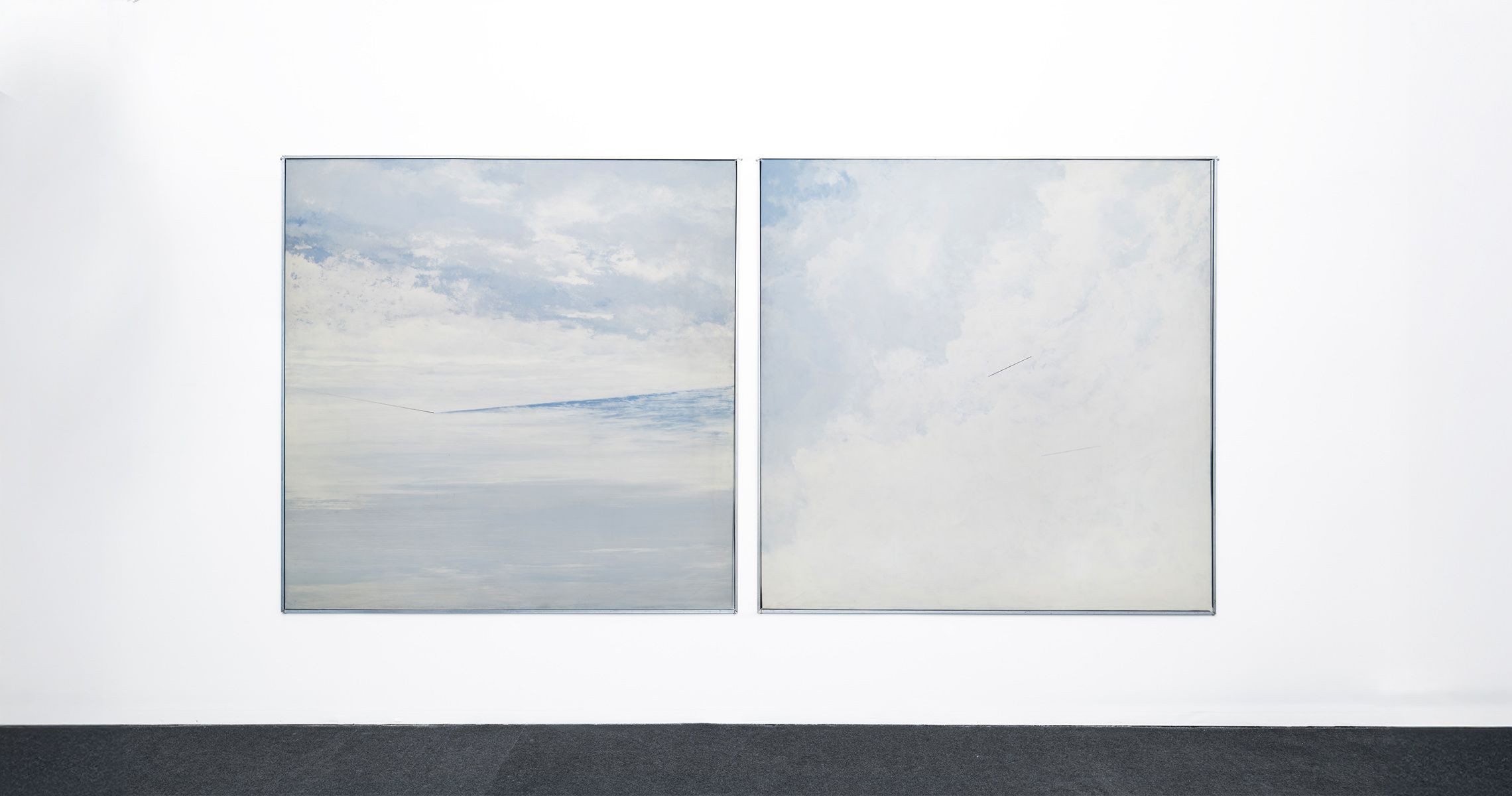
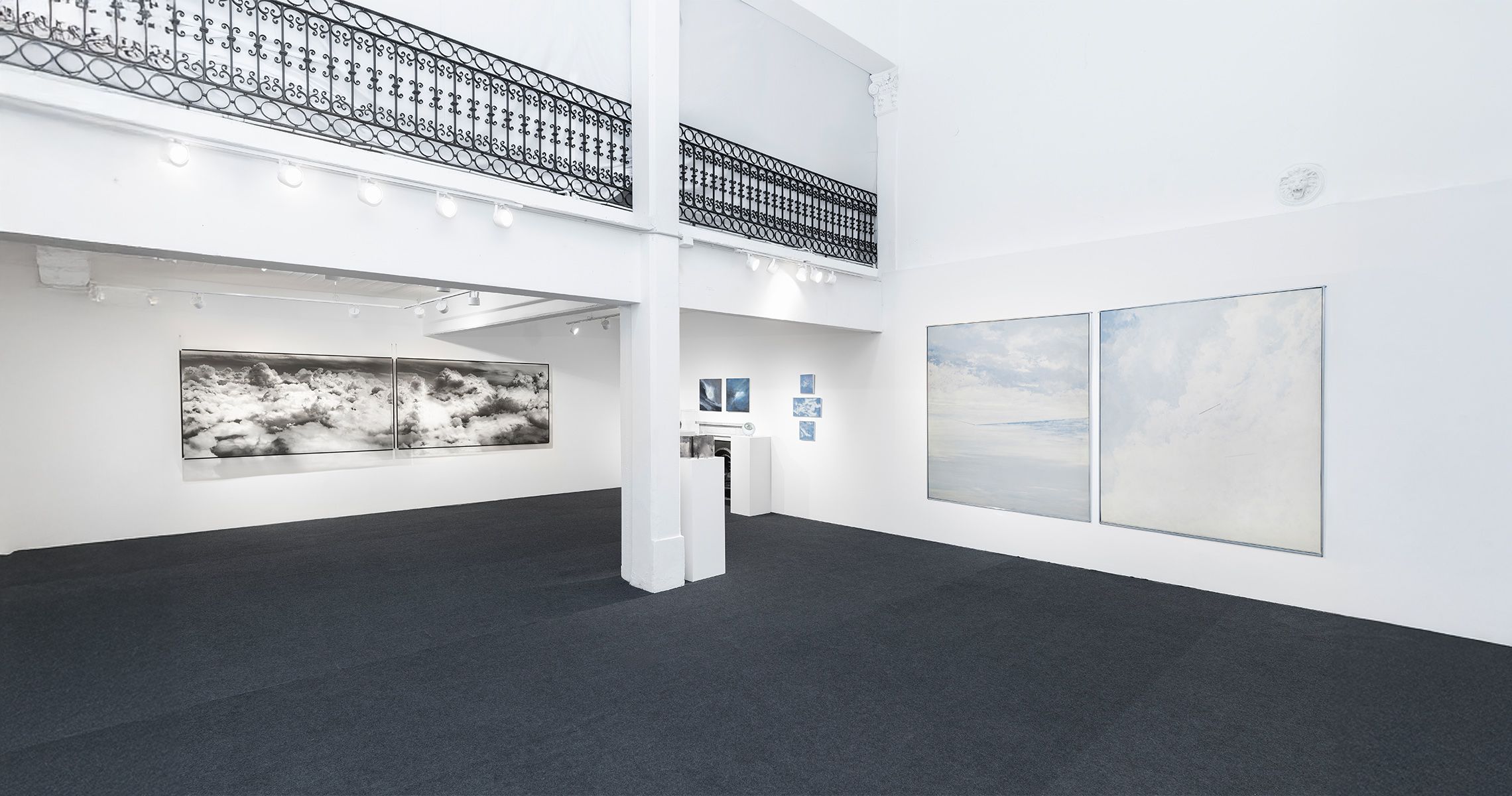
In Jacques Bedel’s work, developed over more than five decades, this Nietzschean idea is not a distant reference but a literal and structural one. His entire production revolves around concepts such as perception as illusion, infinity, repetition, cycles, and the radical affirmation of life through art. The eternal return manifests in his work as a vast alchemical process. He takes from that philosophy its images and principles—the eternal cycle, the union of opposites, and transmutation—and turns them into matter. In his paintings, digital prints on polycarbonate and other translucent materials, sculptures, and rolled installations, images appear and disappear depending on the viewer’s position and the incidence of light. Paradoxical perceptions emerge: the same image looks different, hides, or reveals itself from each angle. The viewer literally experiences the return of the image.
His unconventional materials, such as cast resins and iron and aluminum baths, reveal a visual investigation that holds secrets akin to alchemy. Bedel fuses science and enigma to transform the everyday into something both apocalyptic and beautiful. He constantly reinvents techniques, erases boundaries between disciplines, and creates unprecedented configurations.
His prolific production remains distant from market conventions. His work emerges from deep introspection and sharp critique, acting as an antidote to nihilism. Day after day, Bedel chooses to create something new infinitely. Here, the eternal return becomes a definitive test: he turns his own existence into a work of art shaped according to his taste, his style, and the beauty he wishes to be repeated forever. Far from ephemeral “novelty,” each work, each format, each brushstroke, and each material is so essential and so life-affirming that it deserves to be repeated forever. As he himself says: “every day for 60 years.”
The Nietzschean overman, in Bedel, is not a warrior nor a philosopher: it is the realized artist, the one who creates himself, invents his own values, and embraces cyclical becoming. He does so by transforming his art into a supreme act of amor fati, or love of fate, affirming chaos, pain, repetition, and the instant as eternal. Just as Nietzsche confronts us with the eternal return—Are you living in such a way that you would want to repeat this life forever?—Bedel turns the viewer into Zarathustra and asks: do we want this image, this life, to return infinitely?
In Jacques Bedel’s work, art does not imitate reality. It makes it worthy of being repeated forever. It does not merely illustrate it; it materializes it. It compels the viewer to experience it physically: the image returns, the cycle closes and opens at the same time, and each person must decide whether to affirm it or reject it.